

WooCommerce gives store owners a strong foundation to sell online, but real growth needs more than a working store. To attract visitors, convert them into customers, and bring them back again, your website needs the right mix of SEO, lead generation, automation, social proof, checkout optimization, and customer experience tools.
That is where WooCommerce plugins become valuable. The right plugins can help you improve search visibility, promote products across multiple channels, capture leads, recover lost sales, increase trust, and encourage repeat purchases. Some plugins directly support marketing through email campaigns, coupons, product feeds, and automation. Others help indirectly by improving checkout, payments, reviews, accessibility, and post-purchase communication.
Based on the two reference articles provided, this fresh version covers 20 WooCommerce plugins that can help accelerate marketing growth for your online store.
1. Yoast SEO
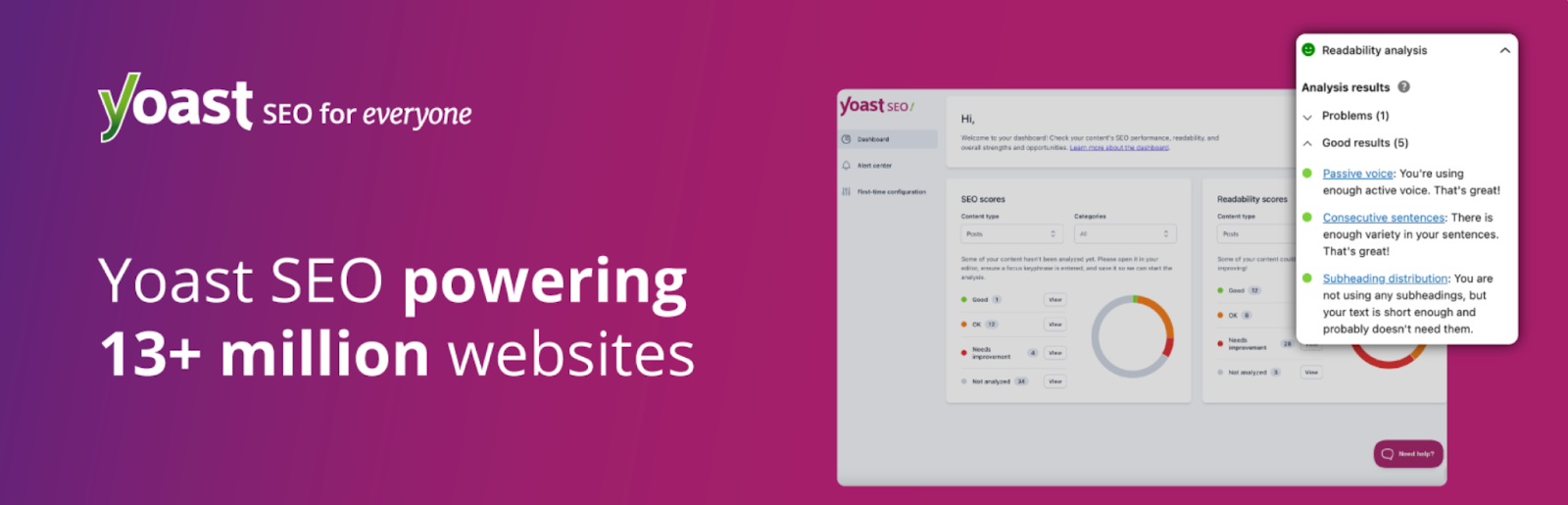
Organic search is one of the most reliable ways to bring long-term traffic to a WooCommerce store. Yoast SEO helps optimize product pages, category pages, blog posts, and landing pages so they have a better chance of ranking in search results.
The plugin gives suggestions for improving meta titles, descriptions, keyword usage, readability, internal linking, and content structure. It also handles technical SEO elements such as XML sitemaps, canonical URLs, breadcrumbs, and structured data.
For WooCommerce stores, these features are important because product pages often need strong optimization to compete. Yoast SEO helps make your products easier to discover and supports steady organic growth without relying only on paid ads.
2. Smart Coupons for WooCommerce
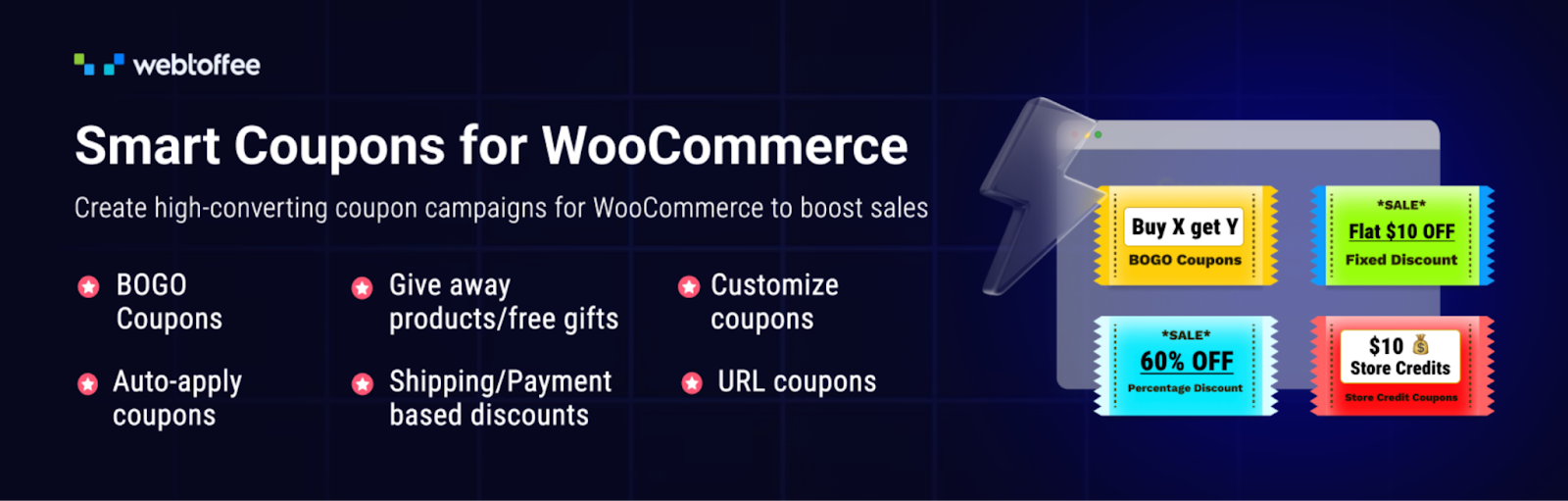
Discounts can drive sales, but basic coupon codes often limit campaign flexibility. Smart Coupons for WooCommerce helps create more strategic promotions for different customer segments and marketing goals.
A few key features of this Woo discount rules plugin, you can create BOGO deals, store credits, gift vouchers, bulk coupons, auto-apply discounts, URL coupons, and cart-based coupon rules. These options are useful for seasonal sales, email campaigns, influencer offers, abandoned cart recovery, and loyalty campaigns.
For example, in the Smart Coupons plugin you can share a coupon link through email, and the discount can apply automatically when the customer clicks it. This creates a smoother buying experience and improves the chances of conversion.
3. HubSpot for WooCommerce
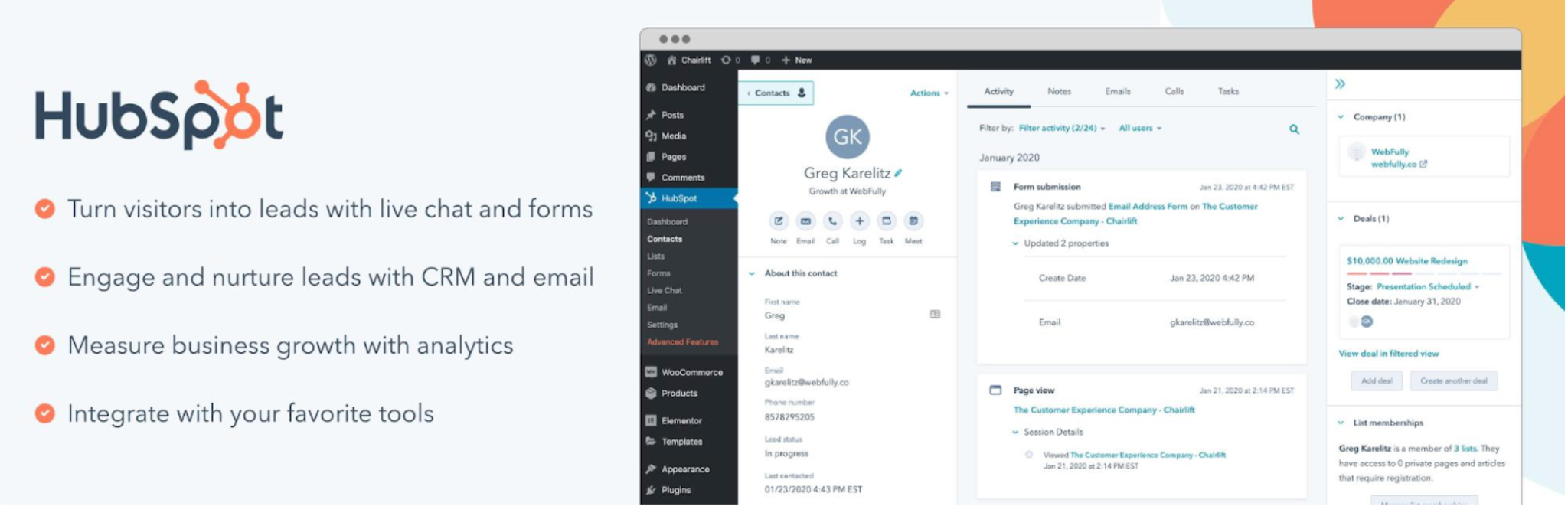
HubSpot is useful for WooCommerce stores that want CRM, email marketing, forms, live chat, and automation in one place. Once connected, it can sync customer details, order activity, and shopping behavior into HubSpot CRM.
This gives store owners a clearer view of customers and helps create better marketing segments. You can target first-time buyers, repeat customers, inactive users, abandoned cart shoppers, or customers who purchased specific products.
HubSpot also includes popups, forms, email campaigns, and automation workflows. These tools help capture leads, nurture customers, and send more relevant messages based on user behavior.
4. Product Feed for WooCommerce
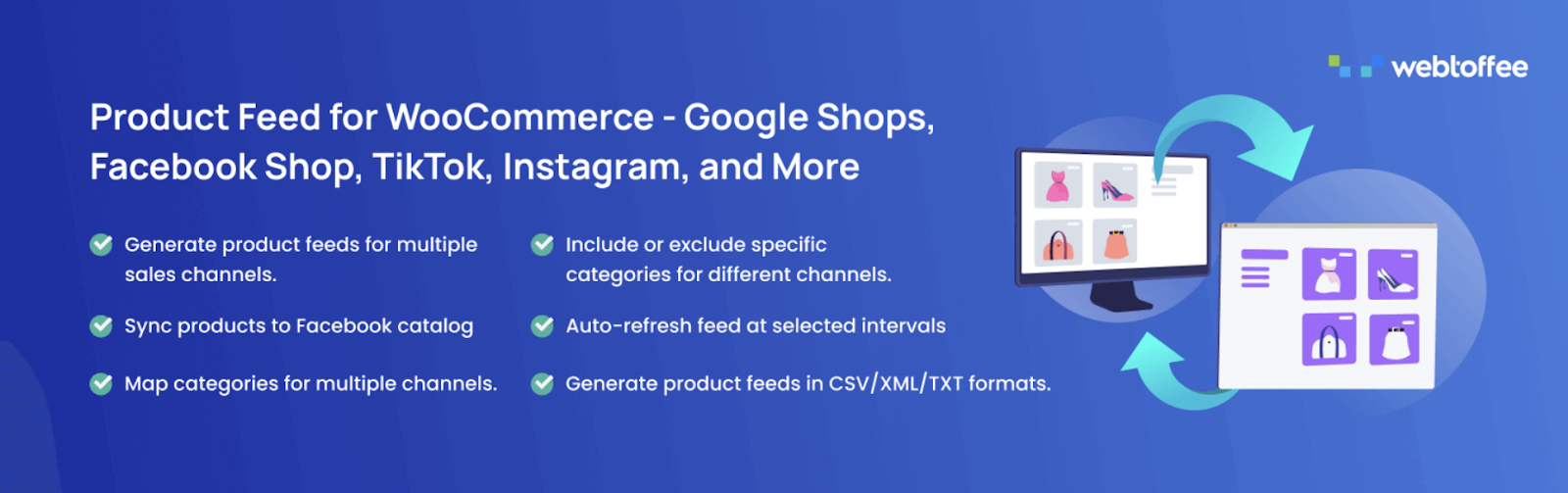
Selling only through your website can limit your reach. Product Feed for WooCommerce helps promote your products on platforms such as Google Shopping, Facebook, Instagram, TikTok, Pinterest, and other sales channels.
The product feed plugin creates product feeds using details from your WooCommerce catalog, including product titles, descriptions, images, prices, categories, and stock status. You can map attributes, filter products, and schedule feed updates.
This is especially helpful for stores running shopping ads or multi-channel campaigns. By keeping product listings accurate across different platforms, the plugin helps increase visibility and attract more qualified shoppers.
5. LiveChat

Many visitors leave a store because they cannot find answers quickly. LiveChat helps you connect with shoppers in real time and guide them before they abandon the site.
You can use it to answer questions about product details, shipping, returns, pricing, compatibility, or checkout issues. It is especially helpful for high-value products, technical products, or stores where customers need support before purchasing.
LiveChat can also trigger messages based on visitor behavior, such as time spent on a product page or reaching checkout. Quick support can reduce hesitation, improve customer confidence, and increase conversions.
6. WooCommerce Gift Cards
Gift cards are a simple but effective way to attract new customers and encourage repeat purchases. WooCommerce Gift Cards allows you to sell digital or physical gift cards directly from your store.
Customers can buy gift cards for themselves or send them to friends and family. This introduces your brand to new shoppers and can bring recipients back to redeem their gift cards. In many cases, customers spend more than the gift card value, increasing average order value.
Gift cards work well for holidays, birthdays, festive campaigns, store credits, loyalty rewards, and refund alternatives. There is a free version available for this plugin.
7. Checkout Field Editor for WooCommerce
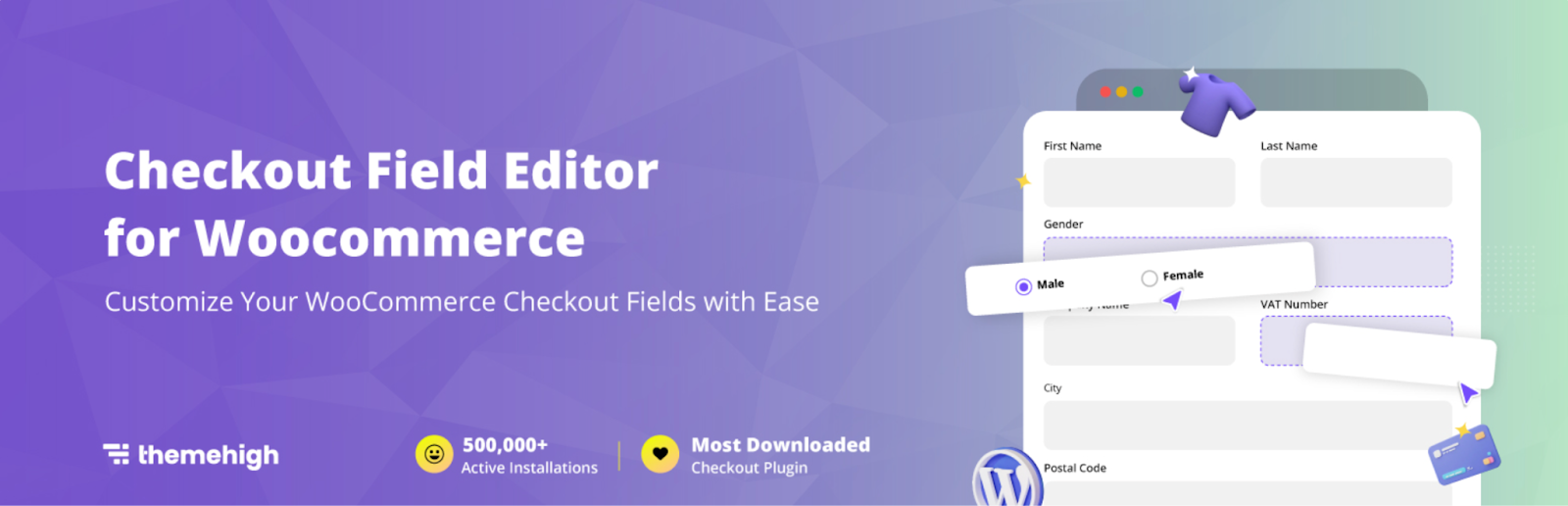
A complicated checkout process can waste the traffic generated by your marketing campaigns. Checkout Field Editor for WooCommerce helps simplify and customize the checkout page.
You can add, edit, remove, and rearrange checkout fields based on your store’s needs. For example, you can remove unnecessary fields to make checkout faster or add fields for delivery instructions, tax numbers, gift messages, or order notes.
A cleaner checkout experience reduces friction and can improve conversion rates. Since every marketing campaign eventually leads customers to checkout, improving this step can directly support revenue growth.
8. WooPayments

Payment friction is one of the biggest reasons customers abandon checkout. WooPayments allows you to accept payments directly on your WooCommerce store and manage transactions from your WordPress dashboard.
You can view payments, track deposits, process refunds, and monitor transactions without switching between platforms. For customers, the payment process feels more direct and reliable.
After spending time and money attracting visitors, the final purchase step should be as smooth as possible. WooPayments helps protect conversions by creating a convenient and trustworthy payment experience.
9. Accessibility Tool Kit

WebYes Accessibility Toolkit helps website owners improve accessibility without any coding. It aligns with standards such as WCAG 2.1, ADA, and EAA, and allows site owners to apply accessibility-friendly configurations across WordPress and WooCommerce websites.
In addition to this, WebYes also offers a Chrome accessibility checker extension that helps identify common accessibility issues such as missing alt text, low contrast, and keyboard navigation gaps. There is also a WordPress accessibility widget plugin that allows visitors to adjust font size, contrast, cursor size, spacing, and other visual settings to improve readability and usability. While these tools do not guarantee full legal compliance, they help follow accessibility best practices and create a more inclusive user experience.
10. WPForms
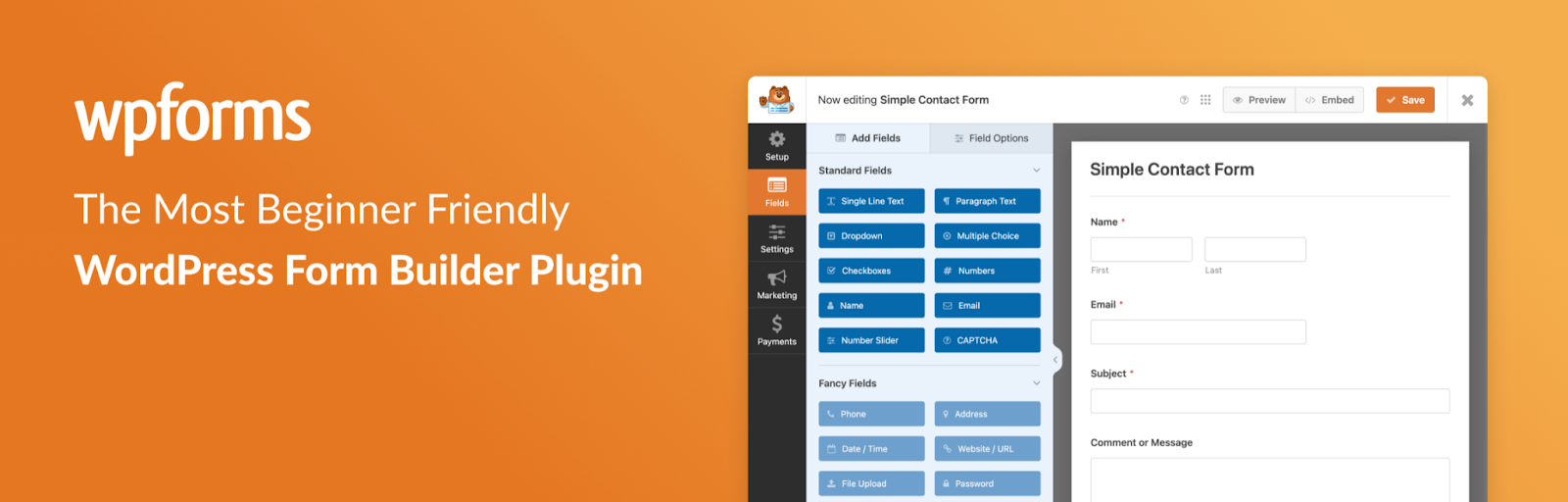
Not every visitor will purchase during the first visit. Some may want to ask questions, request a quote, subscribe to updates, or contact your team. WPForms helps capture these leads with simple forms.
Its drag-and-drop builder lets you create contact forms, newsletter forms, survey forms, feedback forms, and custom inquiry forms. You can place them on product pages, landing pages, blog posts, or contact pages.
For WooCommerce stores, WPForms can collect wholesale inquiries, custom order requests, partnership queries, and customer feedback. This helps turn casual visitors into useful leads.
11. OptinMonster
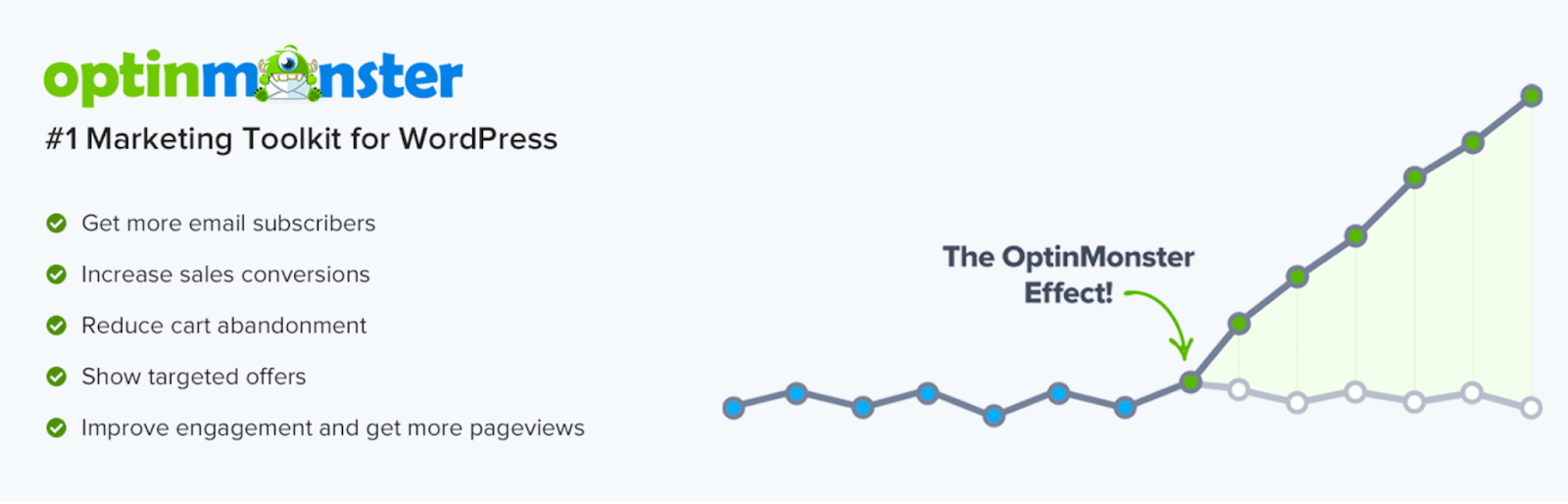
Building an email list is important for long-term marketing. OptinMonster helps WooCommerce stores capture subscribers using popups, floating bars, slide-ins, and exit-intent campaigns.
You can display targeted offers based on visitor behavior. For example, you can show a first-order discount to new visitors or an exit-intent popup when someone is about to leave. Campaigns can also be personalized by page, traffic source, or customer action.
Instead of losing visitors completely, OptinMonster helps convert them into subscribers. Once they join your list, you can continue nurturing them with product updates, offers, and helpful content.
12. Mailchimp for WooCommerce

Email marketing remains one of the most effective ways to increase repeat purchases. Mailchimp for WooCommerce connects your store with Mailchimp and syncs customer, product, and order data.
With this data, you can create targeted campaigns such as welcome emails, abandoned cart reminders, product recommendations, post-purchase emails, and win-back campaigns.
The plugin also supports segmentation based on customer behavior. This allows you to send more relevant emails instead of sending the same message to everyone. For stores starting with email automation, Mailchimp is a practical choice.
13. eCommerce Marketing Automation App
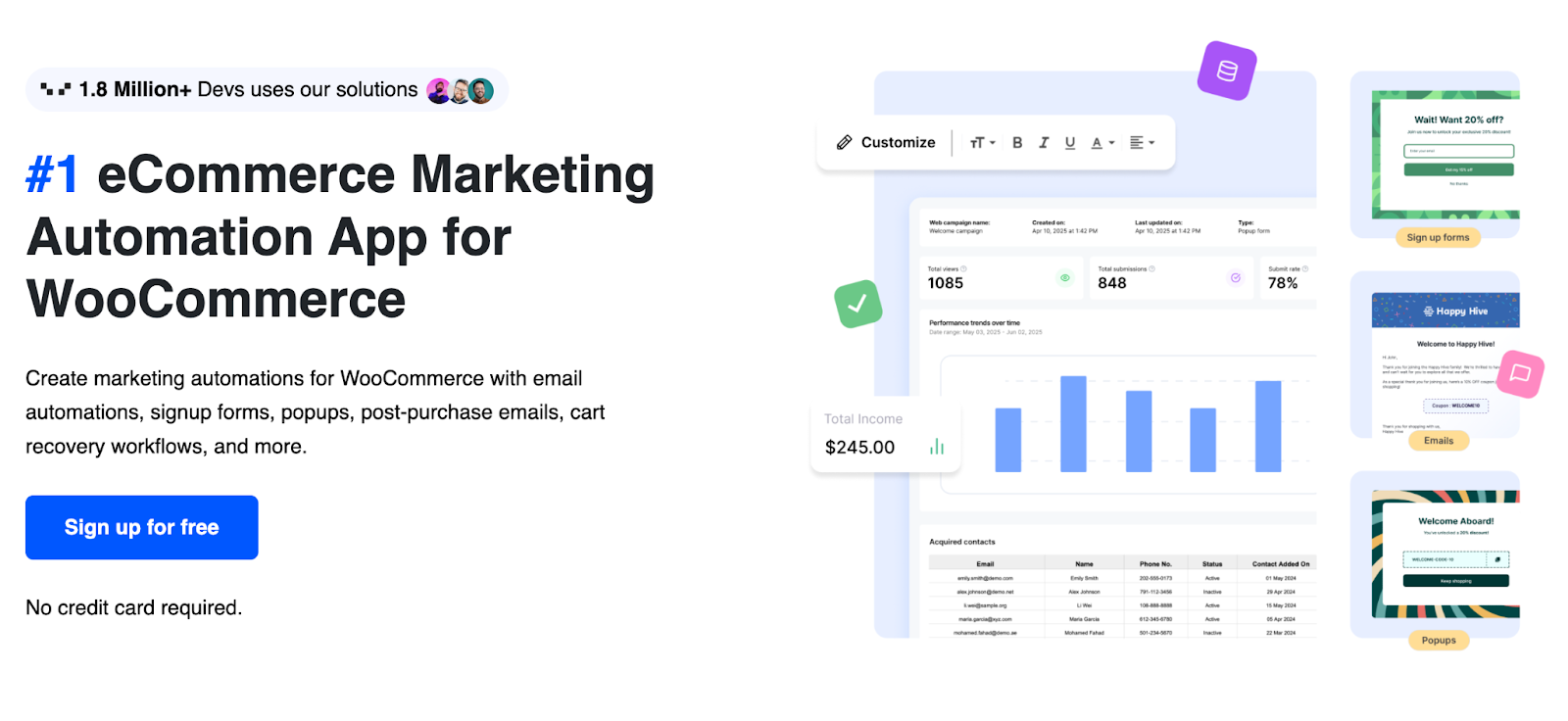
Keeping your customers engaged is essential for any WooCommerce store aiming for growth, but juggling all those campaigns by hand can quickly turn into a real hassle. That’s where the Marketing Automation for eCommerce App steps in, it streamlines your key marketing tasks, allowing you to effortlessly capture leads, recover lost sales, and keep in touch with your customers, all on a larger scale.
With this handy marketing automation plugin, you can set up workflows that respond to how customers interact with your store. You can draw in new subscribers with well-placed signup forms and popups on your site, and then follow up with automated email sequences that introduce your brand or highlight products that might catch their eye. An email customizer dashboard is a major feature.
14. YITH WooCommerce Wishlist
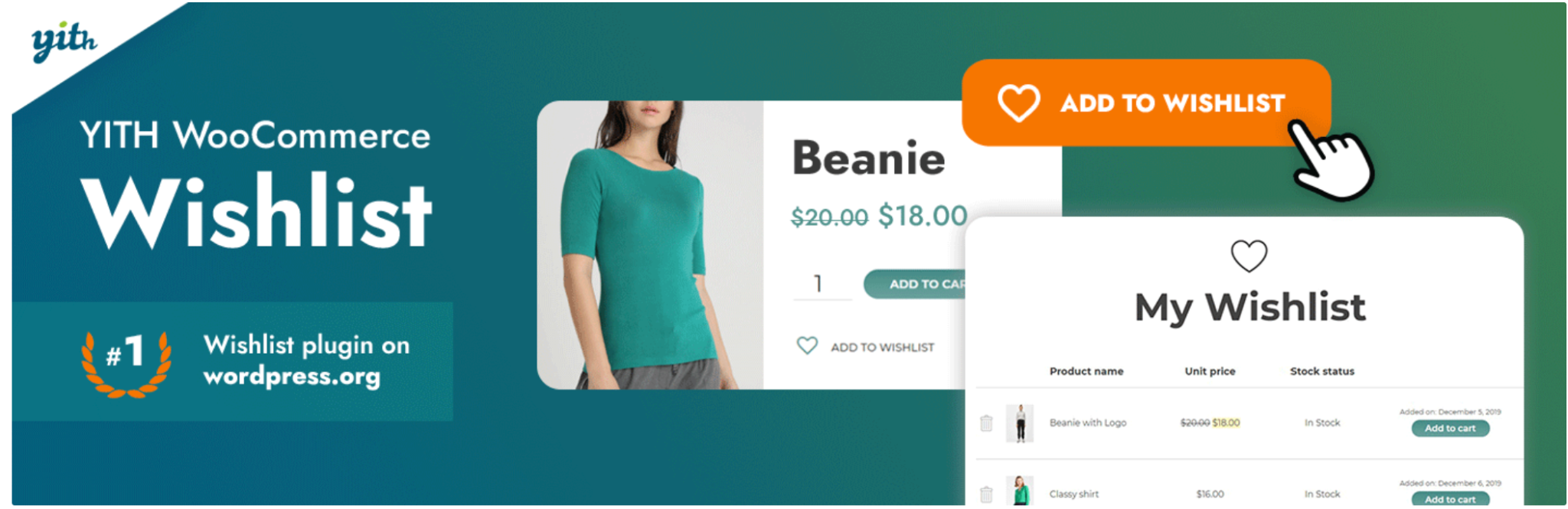
Many shoppers browse products but are not ready to buy immediately. YITH WooCommerce Wishlist lets customers save products they like and return to them later.
Wishlists improve the shopping experience because users do not need to search again for products they already liked. Customers can also share wishlists with friends and family, which may bring new visitors to your store.
Store owners can use wishlist data to understand customer interest. If many users save a product but do not buy it, you may need to review pricing, product content, offers, or shipping options.
15. Request a Quote for WooCommerce
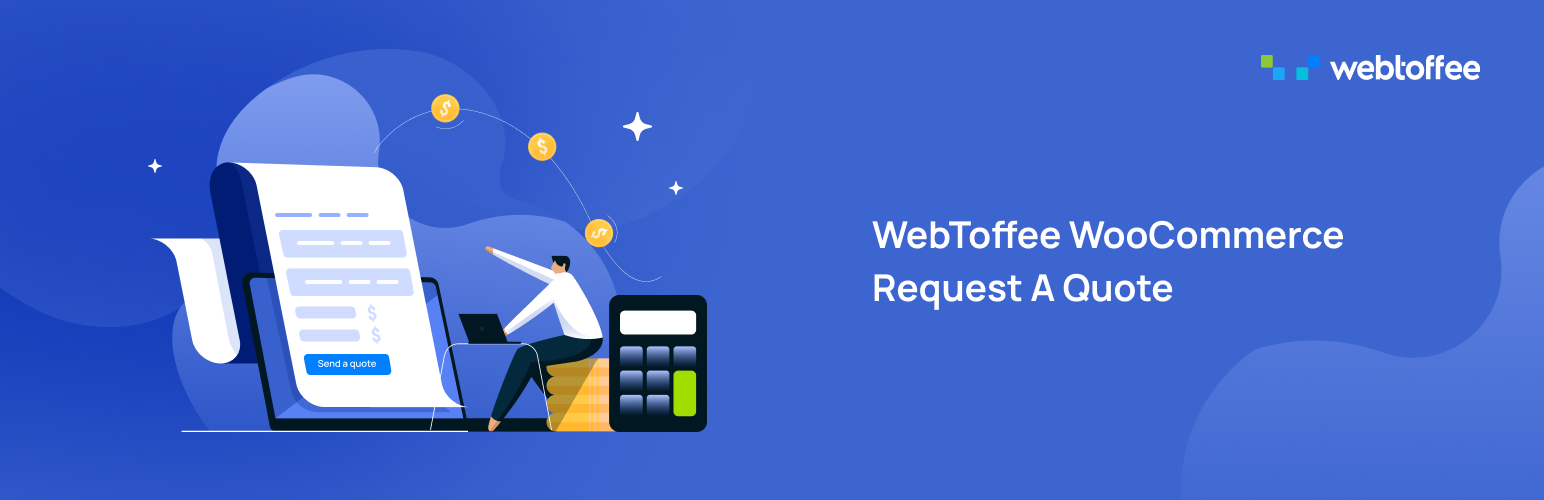
Some WooCommerce stores need flexible pricing, especially B2B, wholesale, custom product, or bulk order businesses. Request a Quote for WooCommerce allows customers to submit quote requests instead of placing regular orders.
Customers can add products to a quote basket and send an inquiry. Store owners can then review the request, adjust pricing, and send a custom quote.
This turns product interest into a qualified lead. Even if the customer does not buy immediately, you now have a direct conversation started, which can lead to follow-ups and personalized offers. By enabling structured quote management within WooCommerce, the plugin helps businesses handle negotiated sales more efficiently and capture opportunities that might otherwise be lost.
16. GDPR Cookie Consent
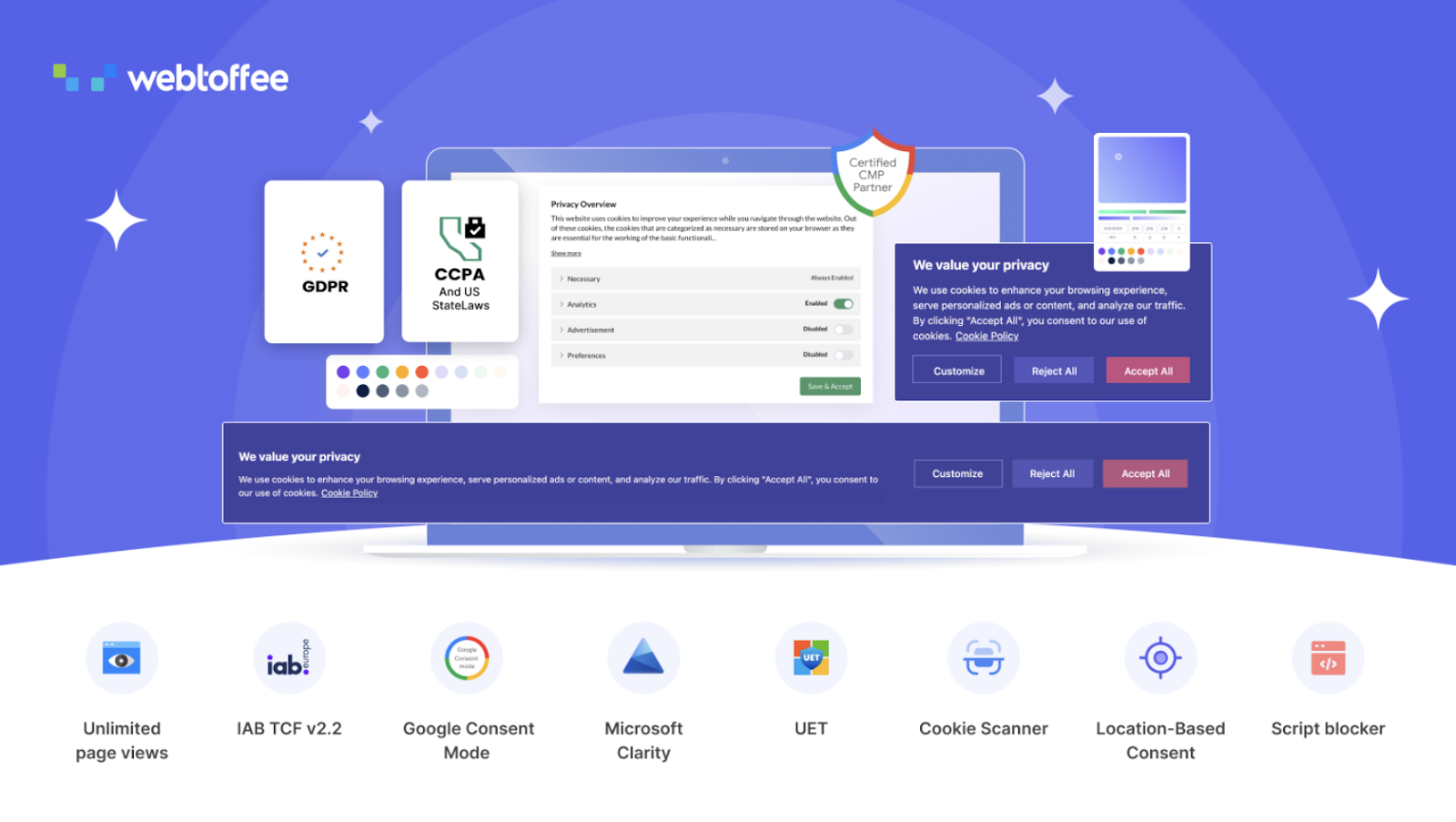
Privacy and transparency are important for building trust. GDPR Cookie Consent helps WooCommerce stores manage cookie notices and user consent clearly.
The plugin lets you show customizable cookie consent banners, categorize cookies, block non-essential scripts until consent is given, and maintain consent records. This is useful for stores that receive visitors from regions with strict privacy laws.
Although it is not a direct sales plugin, it supports marketing by making your store appear more transparent and trustworthy. It also helps manage tracking scripts used for analytics, ads, and retargeting.
17. Widgets for Google Reviews
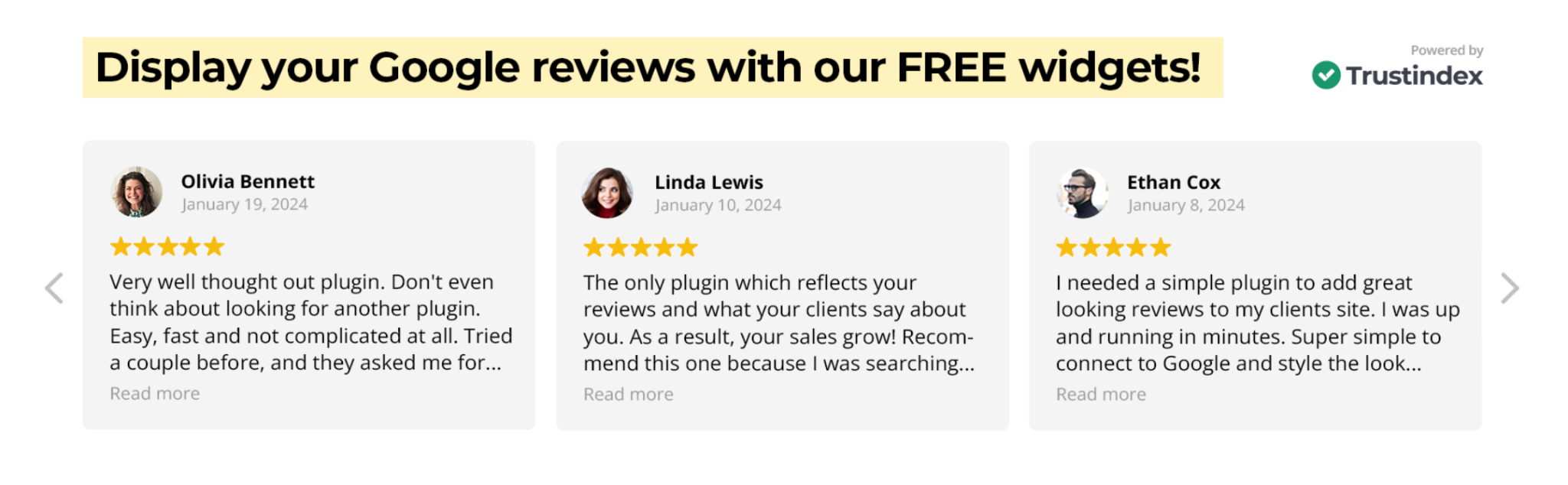
Google reviews can strongly influence buying decisions. Widgets for Google Reviews lets you display reviews from your Google Business Profile directly on your WooCommerce website.
You can show reviews as sliders, grids, badges, or sidebar widgets. These can be placed on homepages, landing pages, product pages, or near checkout-supporting sections.
Displaying real customer feedback helps build confidence. It is especially useful for local businesses, service-based stores, and brands with strong Google ratings. By bringing external social proof into your store, the plugin supports better trust and conversions.
18. WooCommerce PDF Invoices and Packing Slips
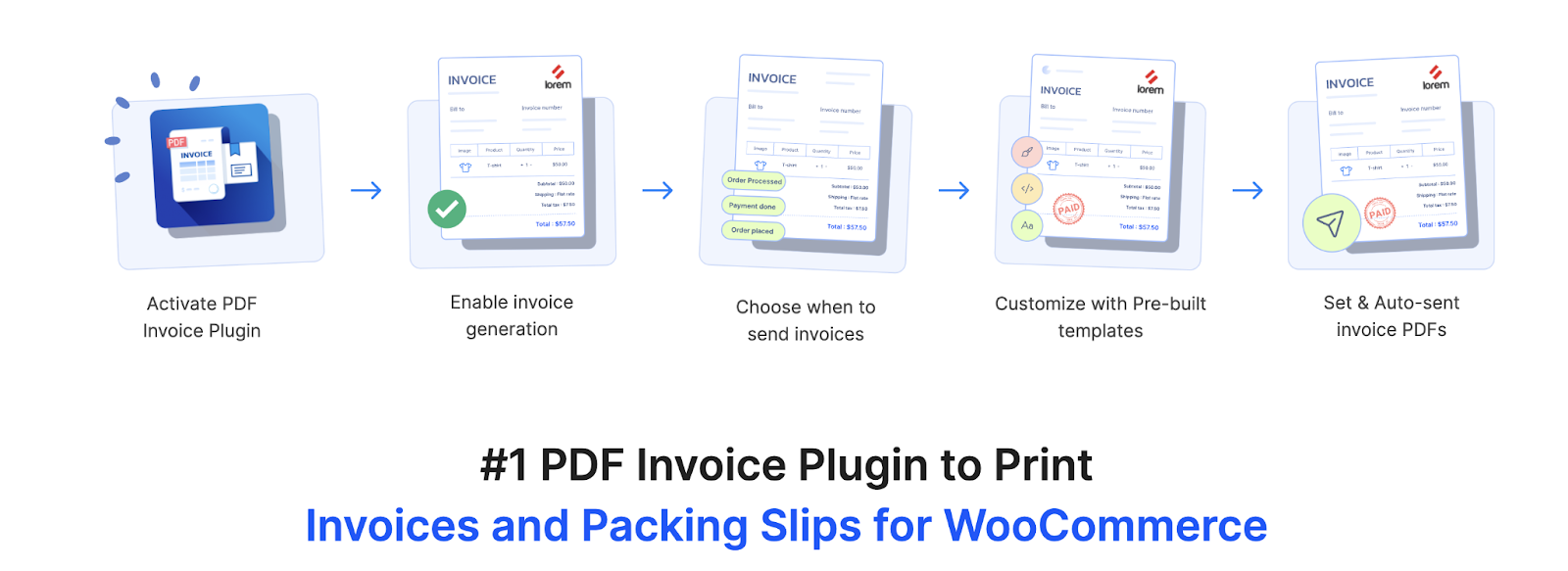
A professional post-purchase experience can improve customer satisfaction and encourage repeat business. WooCommerce PDF Invoices and Packing Slips automates order document generation.
The plugin can create PDF invoices, packing slips, and other order documents. These can be attached to order confirmation emails or printed for fulfillment.
This saves time and creates consistency in customer communication. While it does not directly drive traffic, it improves the buying experience after purchase, which can lead to better reviews, referrals, and repeat sales. There is a free version available for this plugin.
19. Advanced Shipment Tracking for WooCommerce
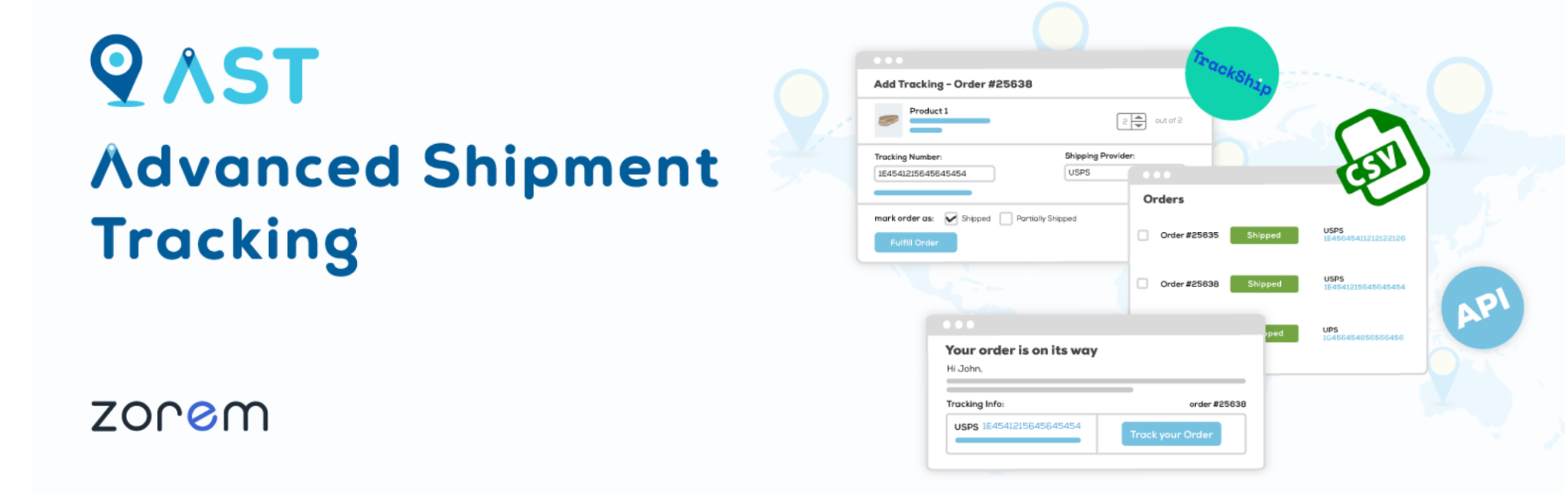
Customers expect clear delivery updates after placing an order. Advanced Shipment Tracking for WooCommerce helps store owners add tracking details to orders and keep customers informed.
The plugin supports many shipping carriers and allows tracking information to appear in order emails and customer accounts. This reduces support requests and improves transparency.
Good shipment communication builds trust after the sale. When customers know where their order is, they feel more confident about your store and are more likely to return.
20. Product Import Export for WooCommerce
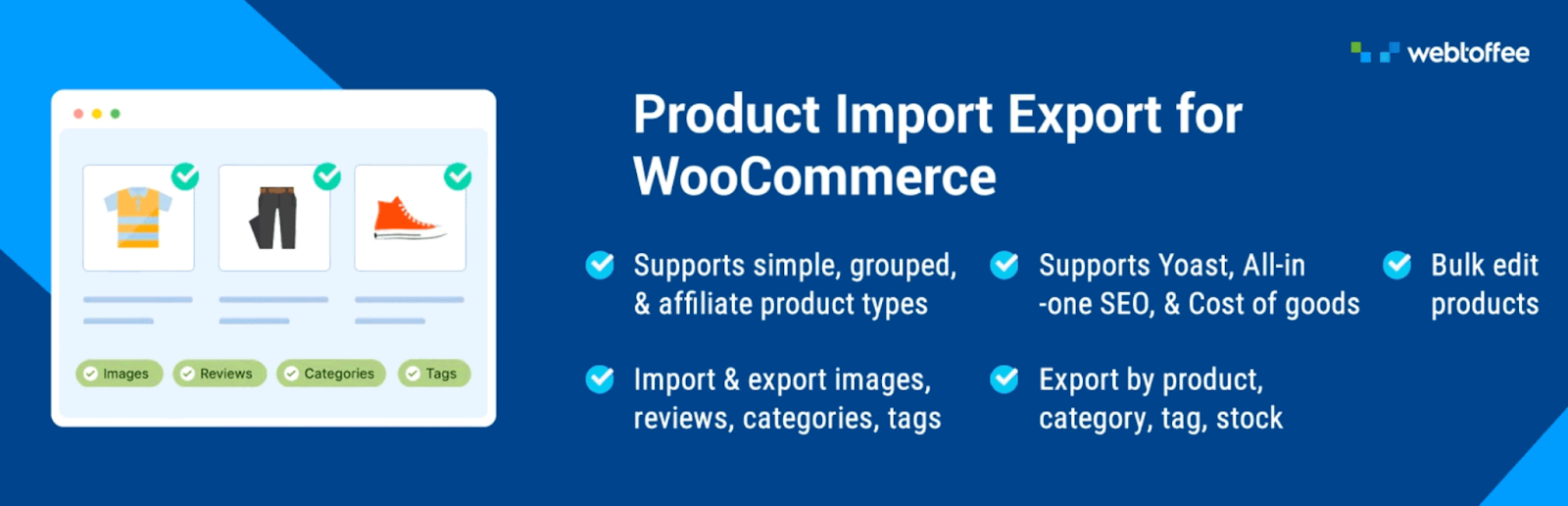
As your store grows, managing product data manually becomes difficult. WooCommerce Product Import Export helps import and export product information in bulk.
You can update product titles, descriptions, prices, categories, images, stock details, and attributes using structured files such as CSV, XML, Excel, or TSV. This Product Import Export plugin also supports different product types, including simple, variable, and grouped products.
This is useful for catalog updates, store migrations, product feed preparation, marketplace syncing, and backups. Accurate product data is essential for marketing because outdated prices, descriptions, or stock details can hurt campaign performance. Key features include scheduled imports and exports and automatic column mapping.
Conclusion
WooCommerce marketing growth does not come from one plugin alone. It comes from improving each stage of the customer journey.
SEO plugins help people discover your store. Product feed plugins expand your reach across marketing channels. Coupon, gift card, email, and automation plugins help increase sales and repeat purchases. Review, live chat, wishlist, and form plugins improve engagement and trust. Checkout, payment, invoice, shipment tracking, and import-export plugins support a smoother buying and operational experience.
The best approach is to choose plugins based on your store’s actual needs and the expectations of customers in your eCommerce niche. If your goal is traffic, focus on SEO and product feeds. If you want better conversions, improve checkout, payments, chat, and reviews. If repeat sales are your priority, invest in email automation, coupons, and post-purchase experience.
With the right plugin stack, your WooCommerce store can attract more visitors, convert them more effectively, and build stronger customer relationships over time.
Recent Comments